theraphy-room episode 12

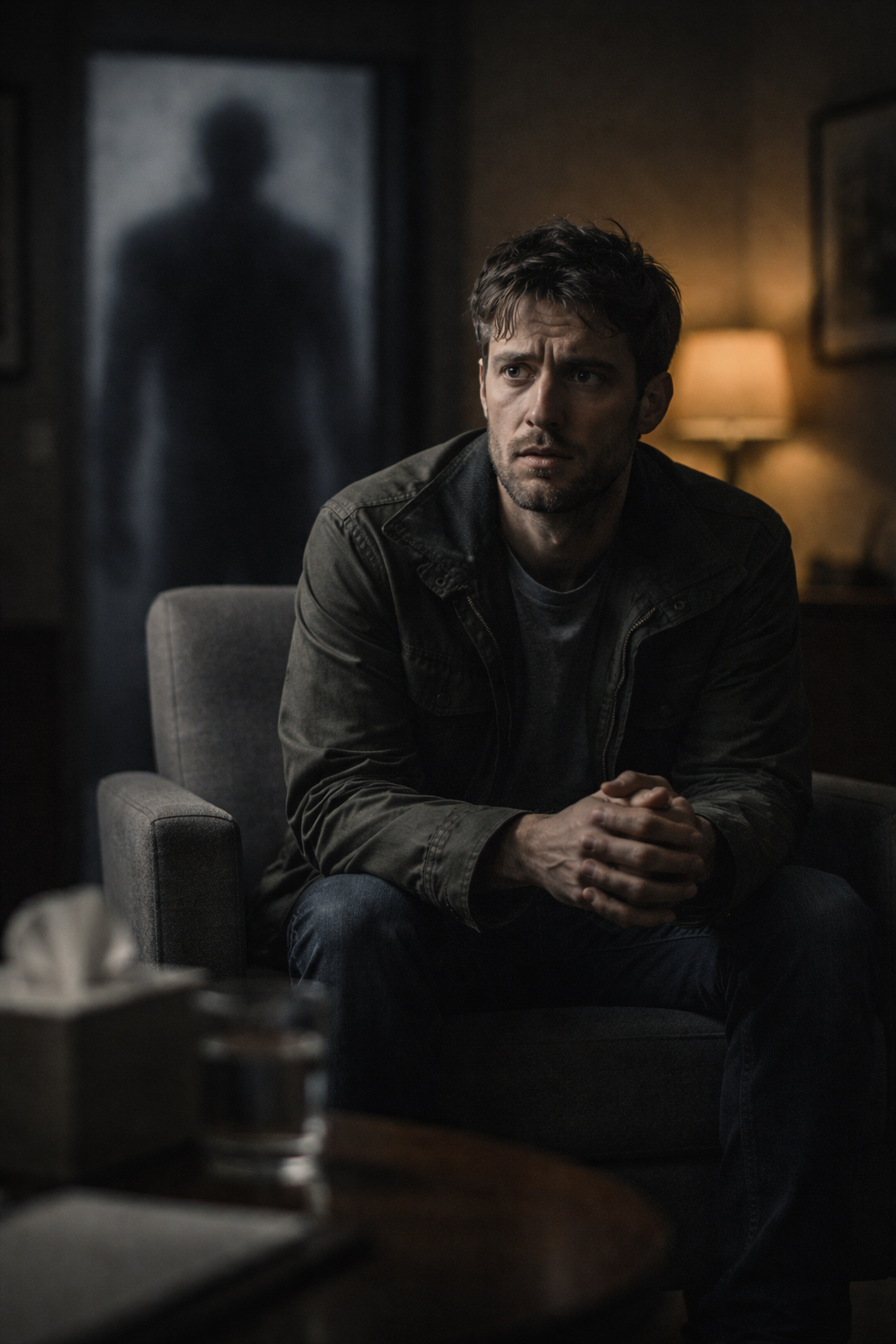
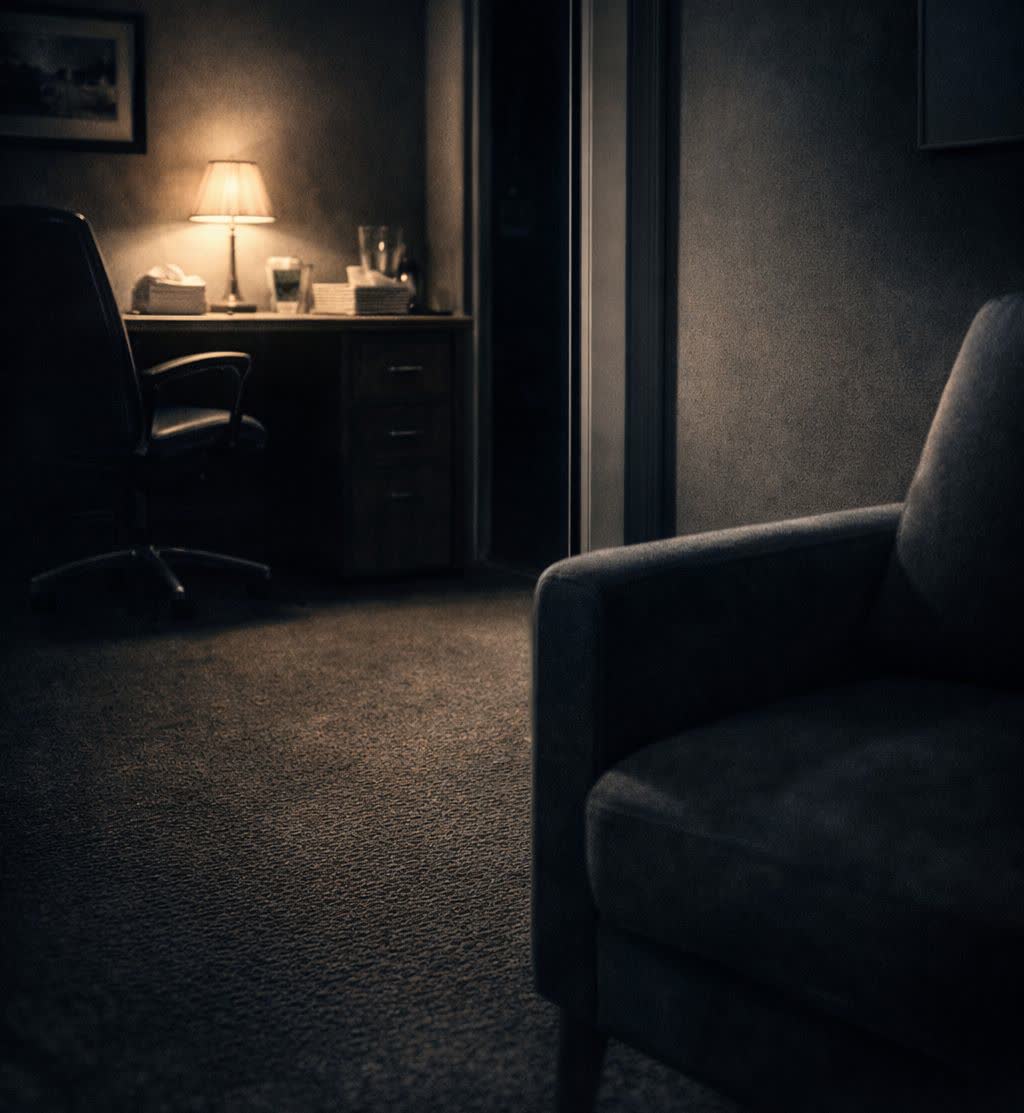
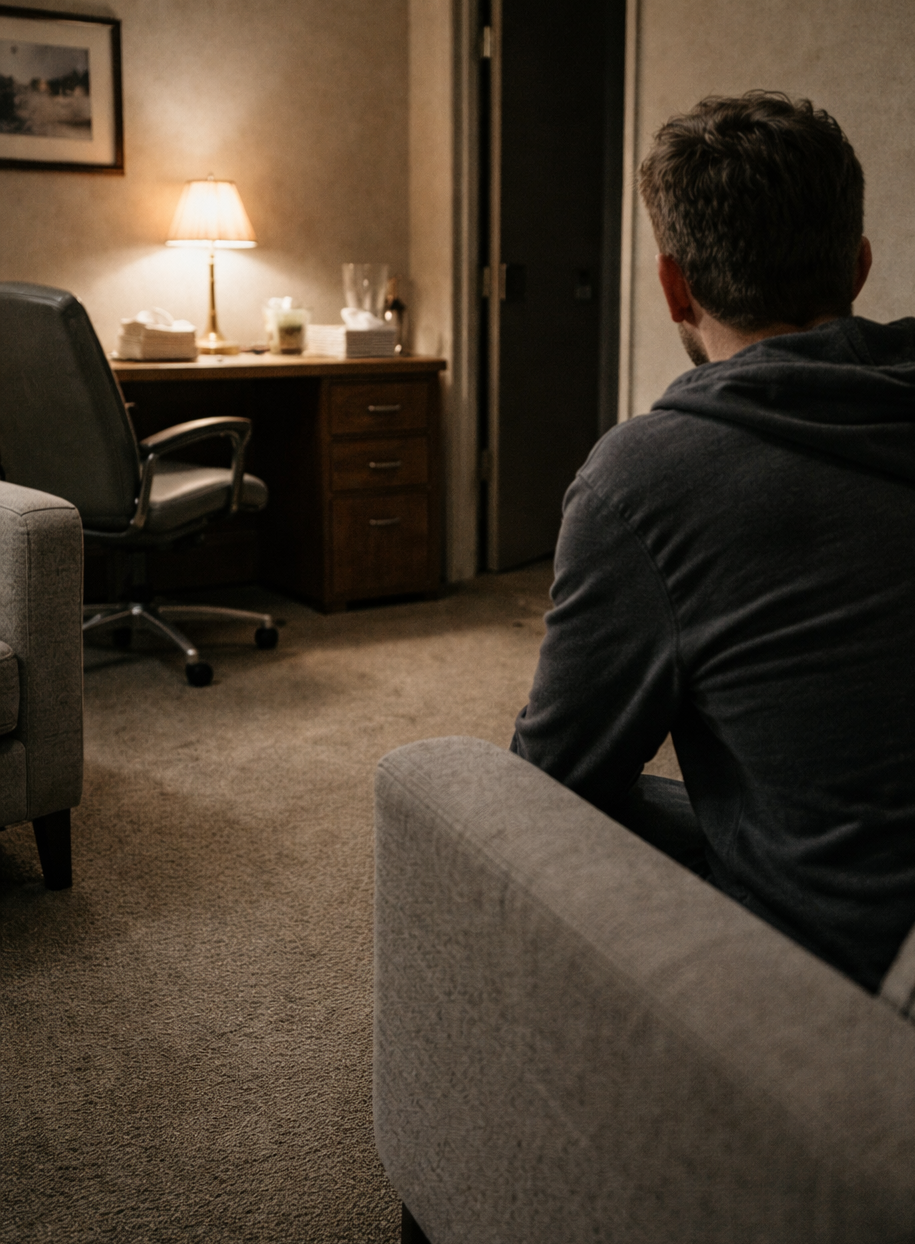
Appearance & Behavior: The patient entered the room with measured, cautious steps. His gaze alternated between the floor and the ceiling, as though maintaining a careful distance from the surrounding space. Hands were tightly clasped on his knees; breathing was shallow, uneven, and intermittently held. He positioned himself strategically in the chair, keeping a precise distance from the walls and door to preserve a fragile sense of security. At regular intervals, his eyes darted upward, scanning the ceiling with the precision of someone anticipating a threat that was never fully visible. The ambient light filtered through the tall, narrow windows, casting long, shifting shadows across the hardwood floor. Every minor shift in light or shadow seemed to draw the patient’s attention upward, heightening his vigilance.
therapist notes
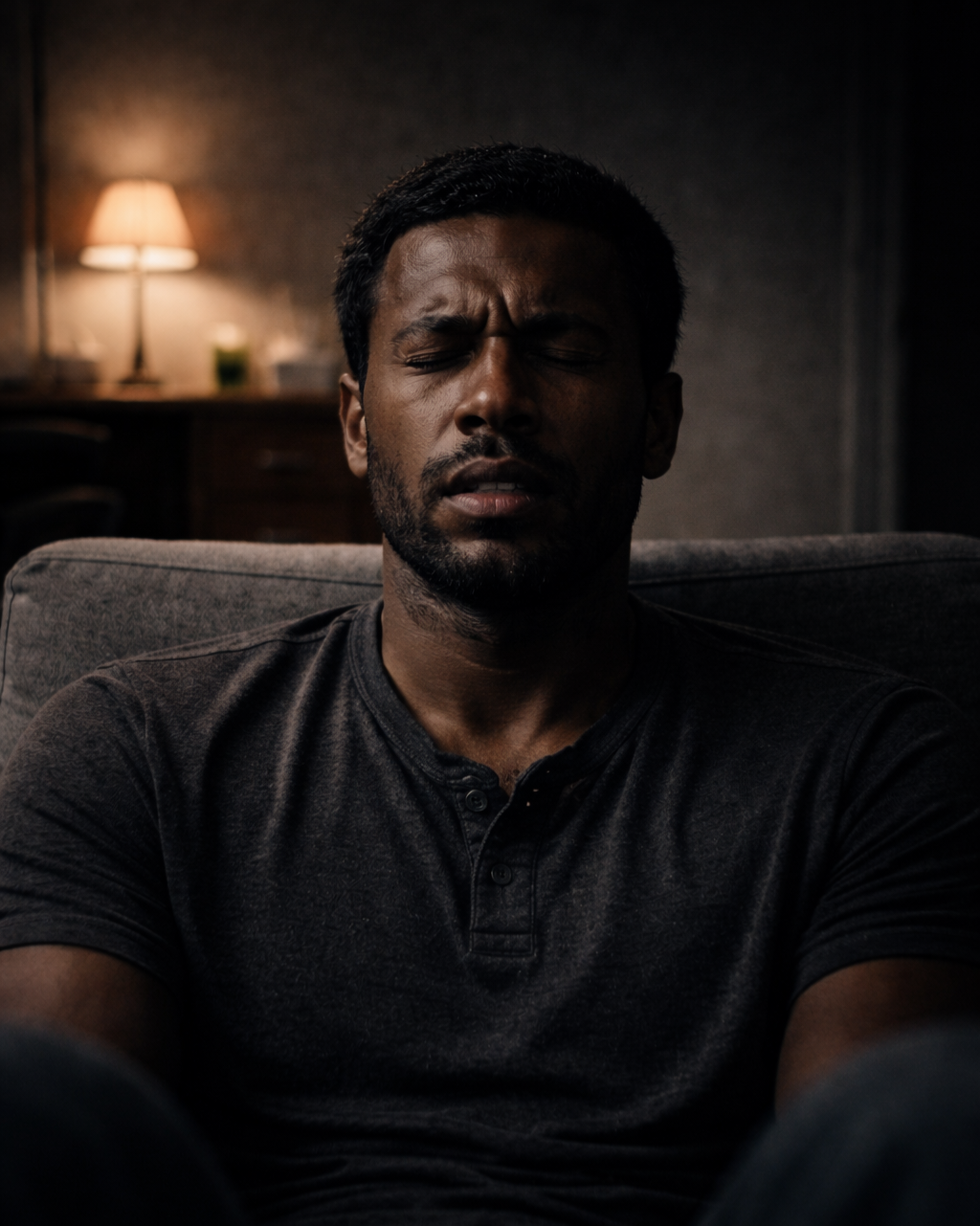
Throughout the session, the patient repeatedly tilted his head upward, whispering in a controlled, low voice: “It feels like someone up there is watching me… even when I’m not looking.” Physiological responses included a steady, heightened heartbeat, subtle shoulder tremors, and minimal perspiration on the palms. Changes in natural light and passing shadows immediately refocused his attention toward the ceiling. Despite visible signs of anxiety, he maintained composure and demonstrated continuous cognitive coherence. His thought processes were intact, reflecting structured reasoning. No severe dissociation or cognitive disruption was observed. Anxiety remained intense but organized, as he monitored the room for cues of threat, whether real or imagined. The patient’s fear was less about visible danger and more about an underlying perception of an ever-present observer.
Read the Full Therapy Session
Gain access to all episodes, uncensored therapist notes, and classified conclusions.
Become VIPThis content is restricted to subscribers
therapist s personal notes
The session progressed with careful observation of the patient’s reactions to the room’s environment, particularly the ceiling and subtle changes in light. While outwardly calm, the patient’s hypervigilance and attention to imperceptible stimuli reflected a persistent internal anxiety. Future sessions will focus on enhancing perceived safety, restructuring environmental interpretation, and supporting the patient in managing persistent, diffuse fear responses.